
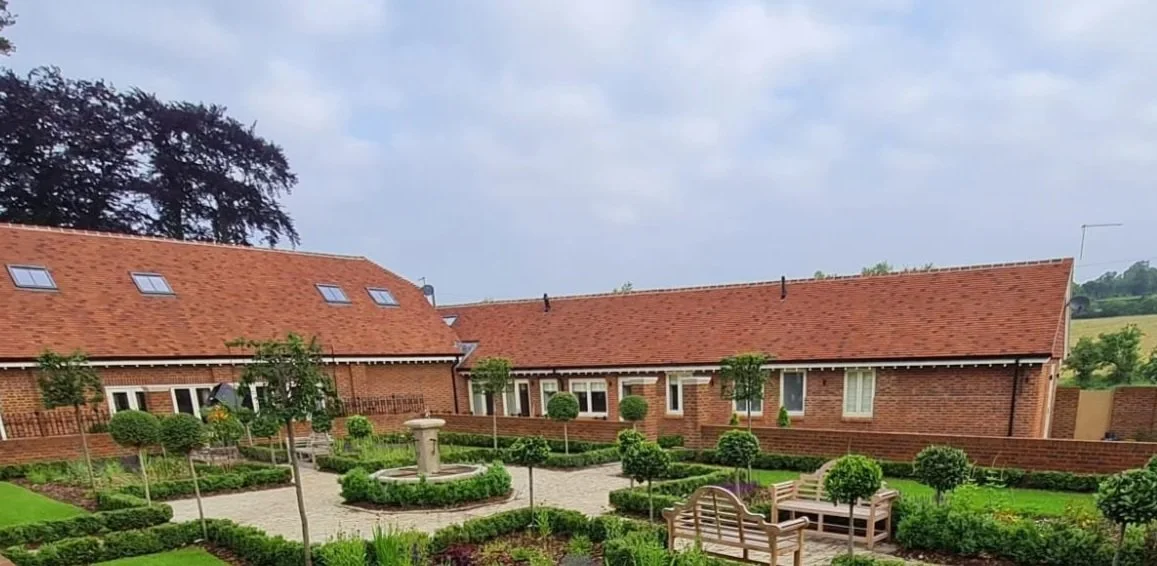
Pitched Roofing
Reliable, long-lasting pitched roofing built to protect your home
Pitched Roofing: A Complete Guide for UK Homeowners
If your home has a sloped roof, and the vast majority of properties in the UK do, then you already benefit from pitched roofing. It's the most common roofing form in British residential construction, trusted for centuries because it works: it sheds rainwater effectively, provides loft space, and adds character to a home.
But like any part of your property, a pitched roof requires proper maintenance, occasional repair, and, in time, replacement. Whether you've noticed a few slipped tiles, you're planning an extension, or you're simply wondering whether your roof is in good shape, this guide will walk you through everything you need to know.
At Crown Roofing & Leadwork, we work with homeowners across Berkshire, Buckinghamshire, East Sussex, Greater London, Hampshire, Surrey and West Sussex every day. We've put this guide together to give you honest, straightforward information, so you can make confident decisions about your roof.
What Is a Pitched Roof?
A pitched roof is any roof that slopes downwards from a central ridge or from one edge to another. According to British Standard BS 5534, a pitched roof has an angle of between 10 and 75 degrees. In practice, most UK homes sit comfortably between 30 and 50 degrees.
This angle is what allows rainwater to run off the surface quickly rather than pooling, which significantly reduces the risk of water ingress. The steeper the pitch, the faster water sheds, and the more forgiving the roof is of minor maintenance lapses.
Pitched roofs contrast with flat roofs (generally below 10 degrees), which require specialist waterproofing and more regular upkeep. For most homeowners, a pitched roof is the lower-maintenance, longer-lasting option.
Types of Pitched Roof
Not all pitched roofs are the same. The shape and structure of your roof will affect everything from aesthetics to how repairs are carried out. Here are the main types found on UK homes.
Gable Roof
The classic British roof shape. Two sloping sides meet at a central ridge, with triangular walls (gables) at each end. Simple, effective, and found on the majority of UK semi-detached and detached homes. Easy to build and maintain.
Mansard Roof
Features two slopes on each side, a steep lower slope and a shallower upper one. Often found on Victorian and Georgian properties in Greater London and market towns across the South East. The design maximises usable loft space, making it a popular choice for loft conversions.
Hipped Gable (Dutch Gable)
A hybrid style combining a gable roof with hipped ends, offering the aesthetic appeal of a gable with improved weather resistance. Often seen on larger detached homes across Berkshire and Buckinghamshire.
Hip Roof
All four sides slope downwards to the eaves, with no vertical gable ends. Hip roofs are considered more aerodynamic and weather-resistant than gable roofs, making them a popular choice in more exposed locations. Common on detached properties and bungalows across Surrey and Hampshire.
Mono-Pitch Roof
A single sloping plane, often used on extensions, garages, and modern additions. Common in contemporary architecture and lean-to extensions. Simple in construction but requires careful design to ensure adequate water run-off.
Pitched Roofing Materials
Choosing the right material for your pitched roof is one of the most important decisions you'll make. It affects the look of your home, how long the roof lasts, and how much maintenance it requires. The team at Crown Roofing & Leadwork will always advise on the best material for your property and location, here's a breakdown of the most common options.
Concrete Tiles
The most widely used roofing material on modern UK homes. Concrete tiles are durable, cost-effective, and available in a wide range of colours and profiles. They typically last 40 to 60 years with proper maintenance and are suitable for a range of roof pitches. One consideration: they are heavier than some alternatives, so your roof structure needs to be able to support the load.
Natural Slate
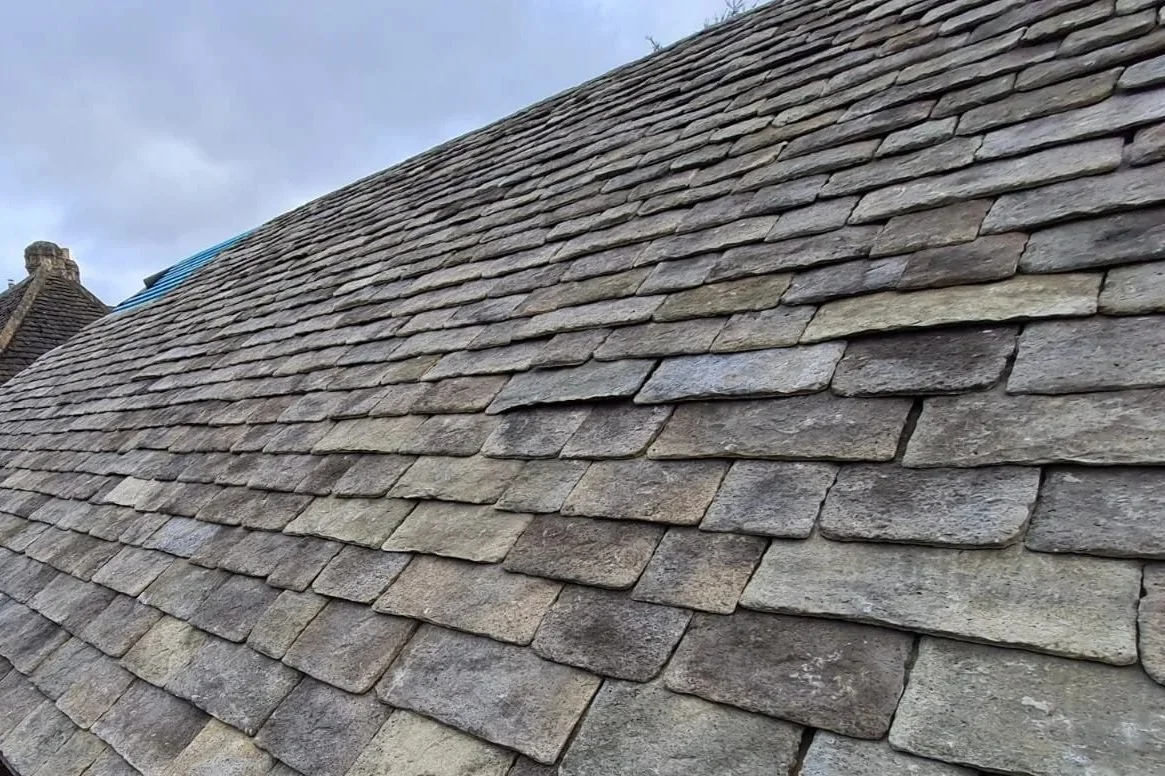
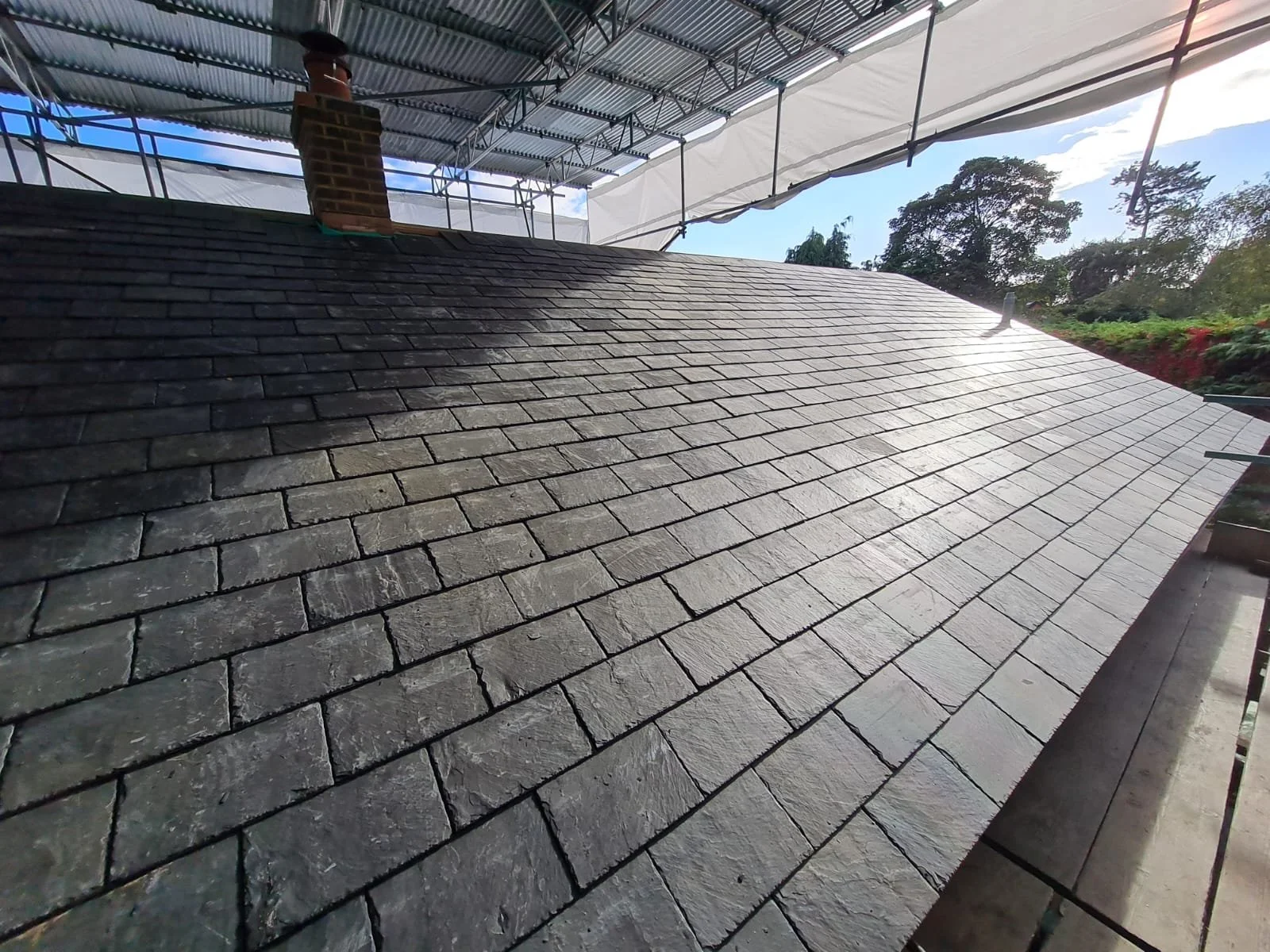
Arguably the most prestigious roofing material available, natural slate combines elegance with exceptional durability. Welsh and Spanish slates are both widely used in the UK. A quality slate roof, properly installed, can last well over 100 years. At Crown Roofing & Leadwork, natural slate is a popular choice among homeowners in Greater London and across the Home Counties, particularly on period and listed properties.
Fibre Cement Slates
Fibre cement offers a middle ground, more cost-effective than natural slate but with a longer lifespan than standard concrete tiles. Often used on new build properties and extensions where a slate-like appearance is desired without the full cost of natural material.
Clay Tiles
Clay tiles have been used on British roofs for centuries and remain a popular choice for period properties and conservation areas. They offer a distinctive, warm aesthetic and are exceptionally long-lasting, a well-maintained clay tile roof can last 100 years or more. Clay tiles are often specified by planning authorities in sensitive areas across East Sussex and parts of Surrey, where maintaining visual character is a priority.
Synthetic Slate
A more affordable alternative to natural slate, synthetic slates replicate the look of real slate at a lower price point. Quality has improved significantly in recent years. They are lighter than natural slate, which can be an advantage on older roof structures, and typically carry a 30 to 50 year manufacturer's guarantee.
A note on planning: If your property is listed or sits within a conservation area, common across parts of Berkshire, East Sussex and Greater London, your choice of roofing material may be subject to planning restrictions. Crown Roofing & Leadwork are familiar with the requirements across the areas we serve and can advise accordingly.
Pitched Roofing Services
Crown Roofing & Leadwork offers a comprehensive range of pitched roofing services, from minor repairs to full roof replacements. Here's what each service typically involves.
New Pitched Roof Installation
Whether you're building an extension, converting a garage, or constructing a new home, a new pitched roof installation involves designing and building the roof structure from scratch, including the timber framework, breathable underlay, battens, and your chosen tile or slate covering. We work with you on pitch angle, material selection, and ridge and hip details to ensure the finished roof is both watertight and in keeping with your property. All new installations come with a minimum 10-year workmanship guarantee as standard.
Pitched Roof Repairs
Not every roofing problem requires a full replacement. Many issues, slipped tiles, cracked slates, failed flashing, leaking valleys, or damaged ridge tiles, can be resolved with targeted repairs. Addressing these promptly is important: a small leak left unchecked can cause significant damage to roof timbers, insulation, and ceilings.
Crown Roofing & Leadwork will always give you an honest assessment of whether a repair is sufficient or whether wider work is needed.
Leadwork and Flashing
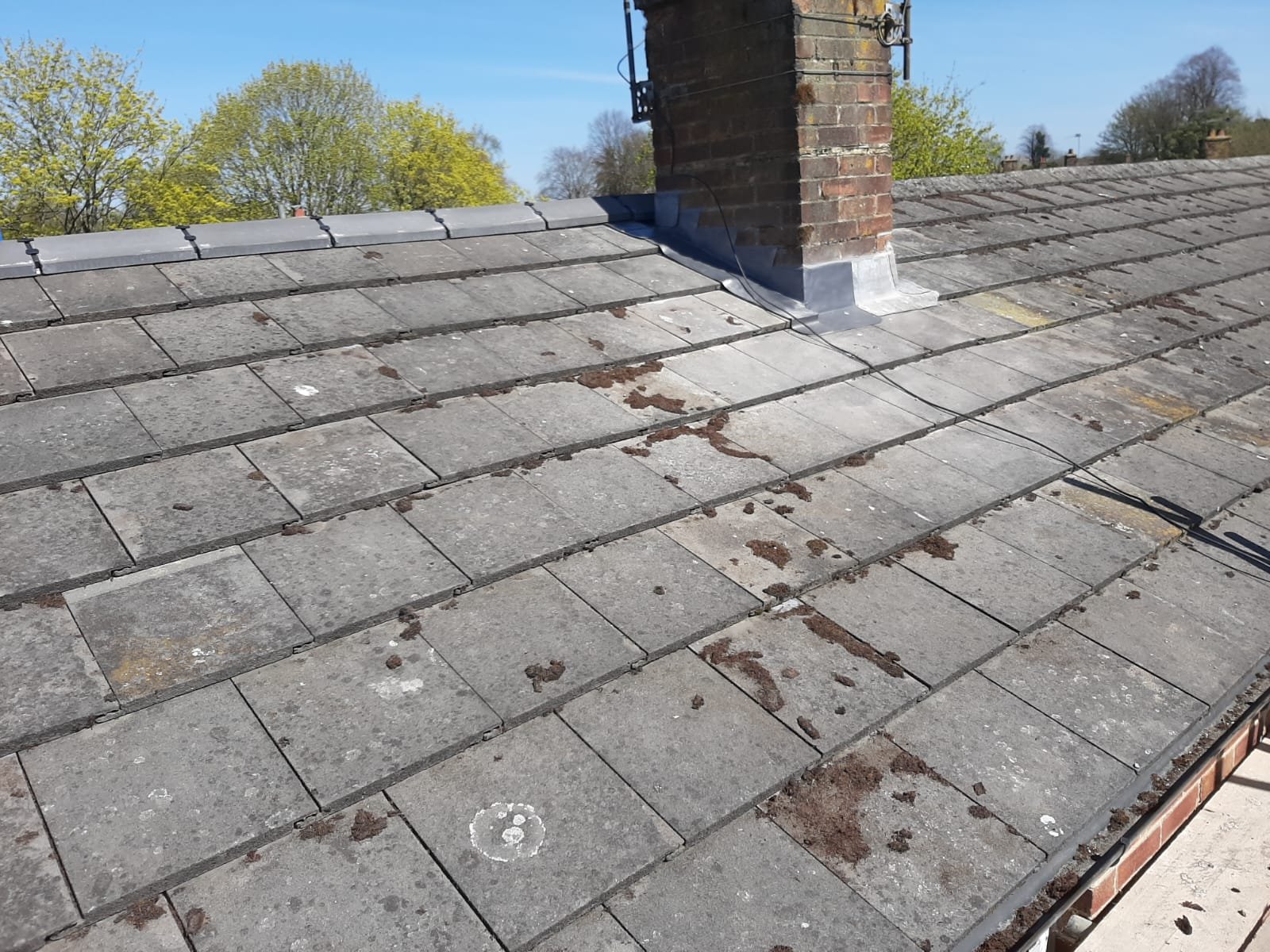
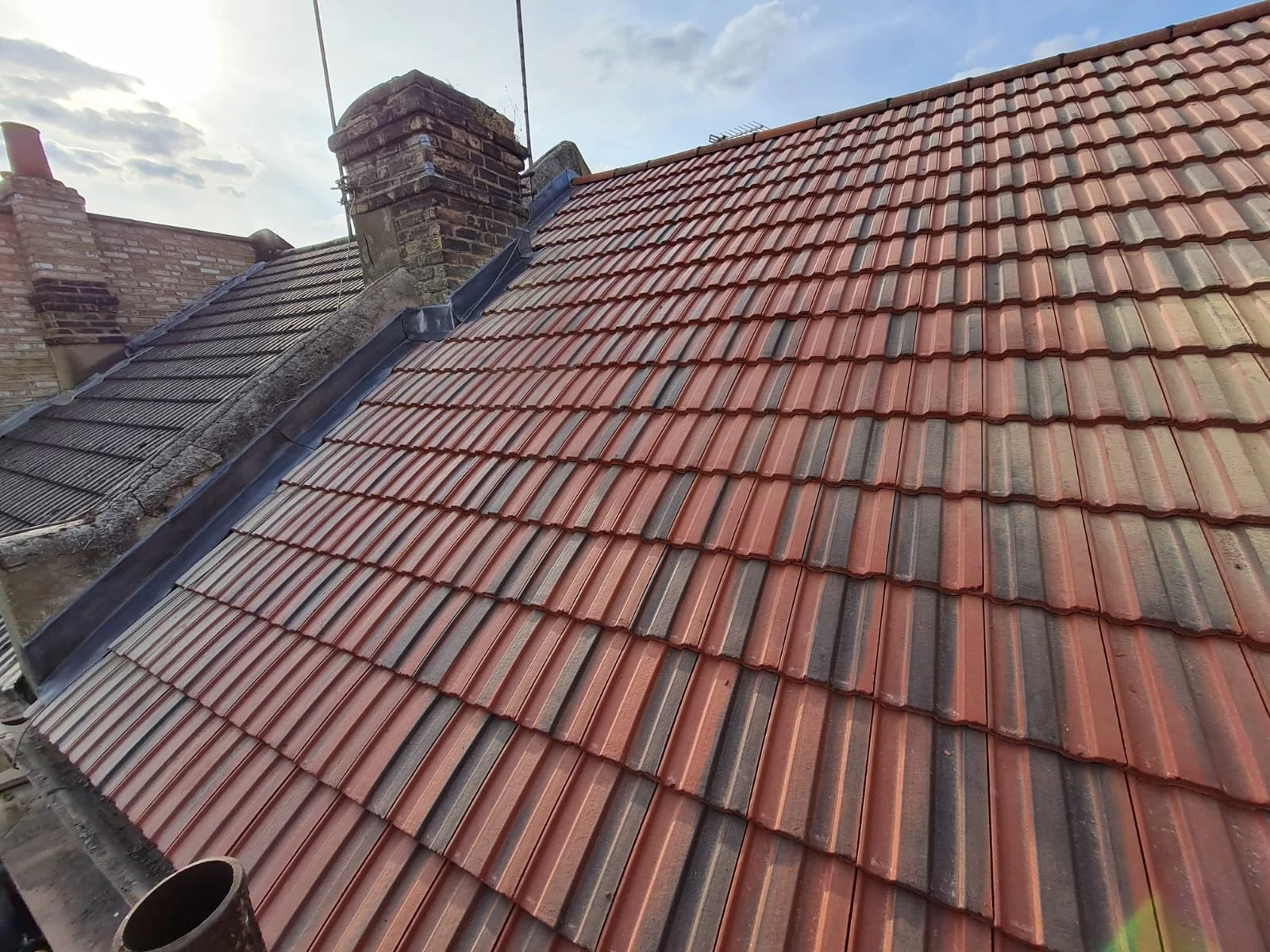
Lead flashing seals the joints between your roof and vertical surfaces, chimneys, dormer walls, and party walls. It's one of the most common sources of water ingress when it fails. Leadwork is a core specialism at Crown Roofing & Leadwork. Using traditional hand-crafted techniques, our team carries out all flashing installations and repairs to the highest standard, whether that's straightforward step flashing on a chimney or more complex decorative leadwork on a heritage property. Correctly installed lead flashing can last 50 years or more.
Pitched Roof Replacement (Re-Roofing)
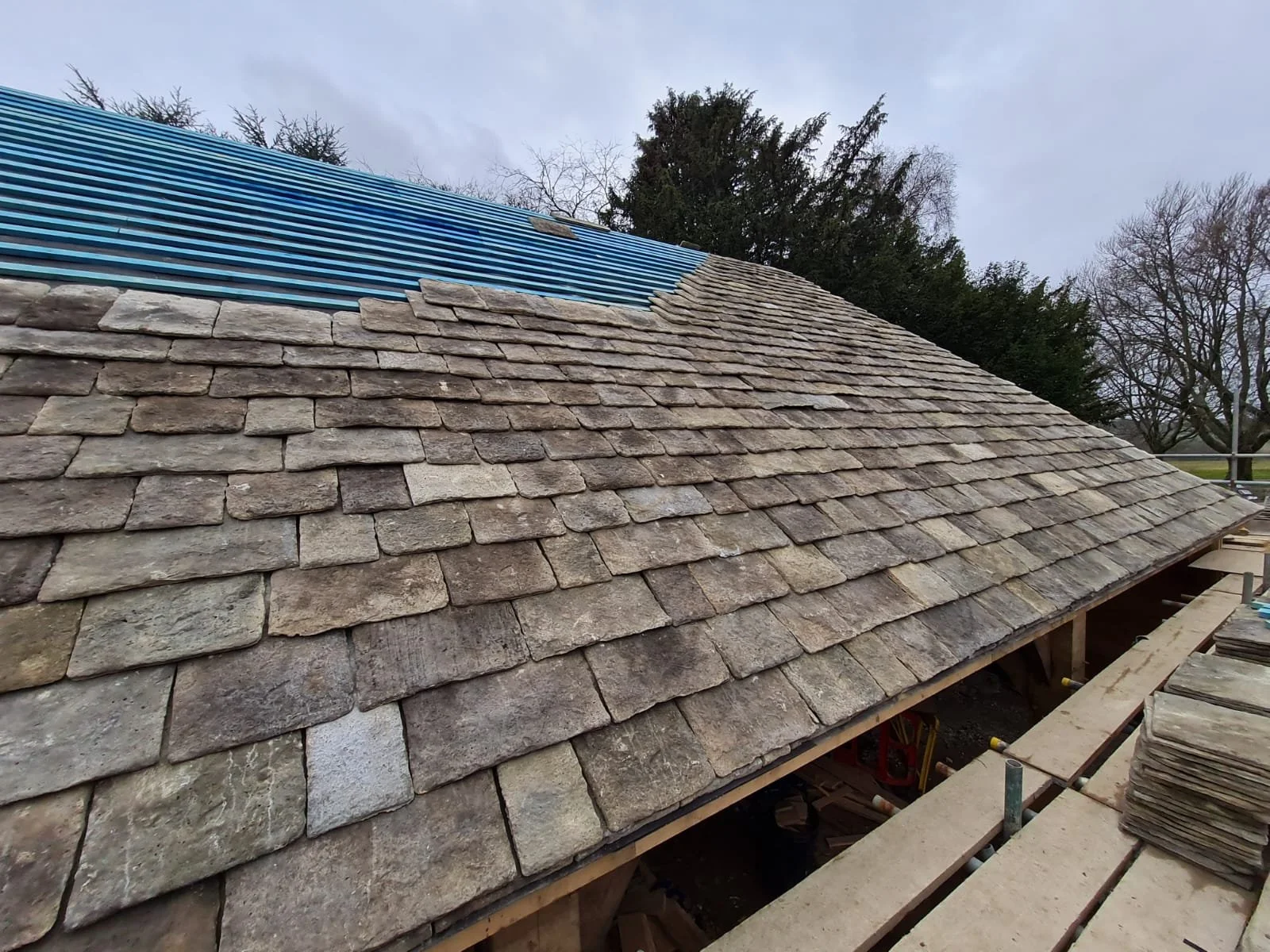
When a roof has reached the end of its serviceable life, indicated by widespread tile failure, perished underlay, or ongoing leaks, a full replacement is usually the most cost-effective long-term solution. Re-roofing involves stripping the old covering back to the roof structure, inspecting and repairing any damaged timbers, installing new breathable underlay, and laying fresh tiles or slates.
Every Crown Roofing & Leadwork replacement comes with a minimum 10-year workmanship guarantee, giving you long-term confidence in the work carried out.
Ridge and Hip Tile Work
The ridge and hips of a roof are particularly vulnerable to weathering. Ridge and hip tiles are traditionally bedded in mortar, which can crack and loosen over time. Re-bedding or replacing these is a common and relatively straightforward repair.
We also install dry-fix ridge and hip systems, mechanically fixed rather than mortared, which offer a longer-lasting, more flexible solution that moves with the roof structure.
Roof Maintenance and Inspection
Regular inspection, ideally every few years, is the best way to catch small problems before they become expensive ones. Crown Roofing & Leadwork offer professional roof surveys, checking the condition of your tiles or slates, flashings, valleys, ridge, and guttering. Preventative maintenance is almost always cheaper than reactive repairs.
Signs Your Pitched Roof Needs Attention
Knowing what to look out for can save you significant expense.
Here are the most common warning signs that your pitched roof may need inspection or repair:
Slipped, cracked, or missing tiles or slates, visible gaps in the covering allow water to penetrate
Damp patches or staining on ceilings or upper walls often indicates a slow leak that has been developing for some time
Daylight visible in the loft, if you can see light through the roof, water can get in too
Moss or algae growth. Heavy moss retains moisture and can accelerate tile deterioration
Sagging or uneven roof lines may indicate structural problems with roof timbers
Loose or crumbling mortar on ridge tiles, a common cause of ridge tiles shifting or falling
Failed or cracked flashing around chimneys or dormers, a very common source of leaks
Blocked or overflowing gutters. Water backing up under the eaves can damage fascias and roof edges
If you notice any of these signs, it's worth having your roof inspected promptly.
Crown Roofing & Leadwork offer free, no-obligation surveys across all of our service areas.
How Long Does a Pitched Roof Last?
The lifespan of a pitched roof depends primarily on the material used and the quality of installation and maintenance:
Concrete tiles: 40 to 60 years
Clay tiles: 60 to 100+ years
Natural slate: 80 to 100+ years
Synthetic slate: 30 to 50 years
Fibre cement slates: 40 to 60 years
These figures assume regular maintenance and timely repairs. A roof that is neglected can fail significantly sooner; one that is well cared for can comfortably exceed these estimates.
The underlying timber structure can last the lifetime of the building if kept dry and properly ventilated.
How Much Does Pitched Roofing Cost?
Roofing costs vary depending on the size and complexity of your roof, the materials chosen, and the extent of the work required.
As a general guide for homeowners across the South East:
-
Replacing a few tiles, re-bedding ridge tiles, or repairing flashing. Typically start from around £150 to £400. More significant work, such as replacing a section of damaged slates or relaying a valley, may range from £500 to £2,000 or more.
-
A full re-roof on an average semi-detached property (around 50–70m²) in the South East typically costs between £5,000 and £12,000, depending on the material selected.
Natural slate and clay tile roofs sit toward the higher end; concrete tile roofs toward the lower. Larger detached properties or complex roof shapes will cost proportionally more.
-
For a new build extension or outbuilding, the cost depends on the size, pitch, and material specified. Crown Roofing & Leadwork provide detailed, itemised written quotations following a site survey so there are no surprises.
These figures are provided as a general guide and reflect current rates in the South East. Every roof is different, and the only reliable way to get an accurate cost is through a site visit and written quotation. Be cautious of any contractor who quotes without carrying out a proper inspection.
Why Choose Crown Roofing & Leadwork?
Choosing the right roofing contractor matters as much as choosing the right materials. Here's what homeowners across Berkshire, Buckinghamshire, East Sussex, Greater London, Hampshire, Surrey and West Sussex can expect from Crown Roofing & Leadwork
Specialist leadwork expertise — traditional hand-crafted techniques for superior, long-lasting results
Minimum 10-year workmanship guarantee on all new roofing projects, as standard
Honest, no-pressure surveys — we'll tell you what your roof actually needs, not what generates the biggest job
Detailed written quotations — following a proper inspection, with clear scope of work, materials, and timescales
Local knowledge — we understand the property types, planning sensitivities, and weather conditions across the areas we serve
Fully insured — public liability insurance on every job
To find out more about the Crown Roofing & Leadwork team, visit our About page."
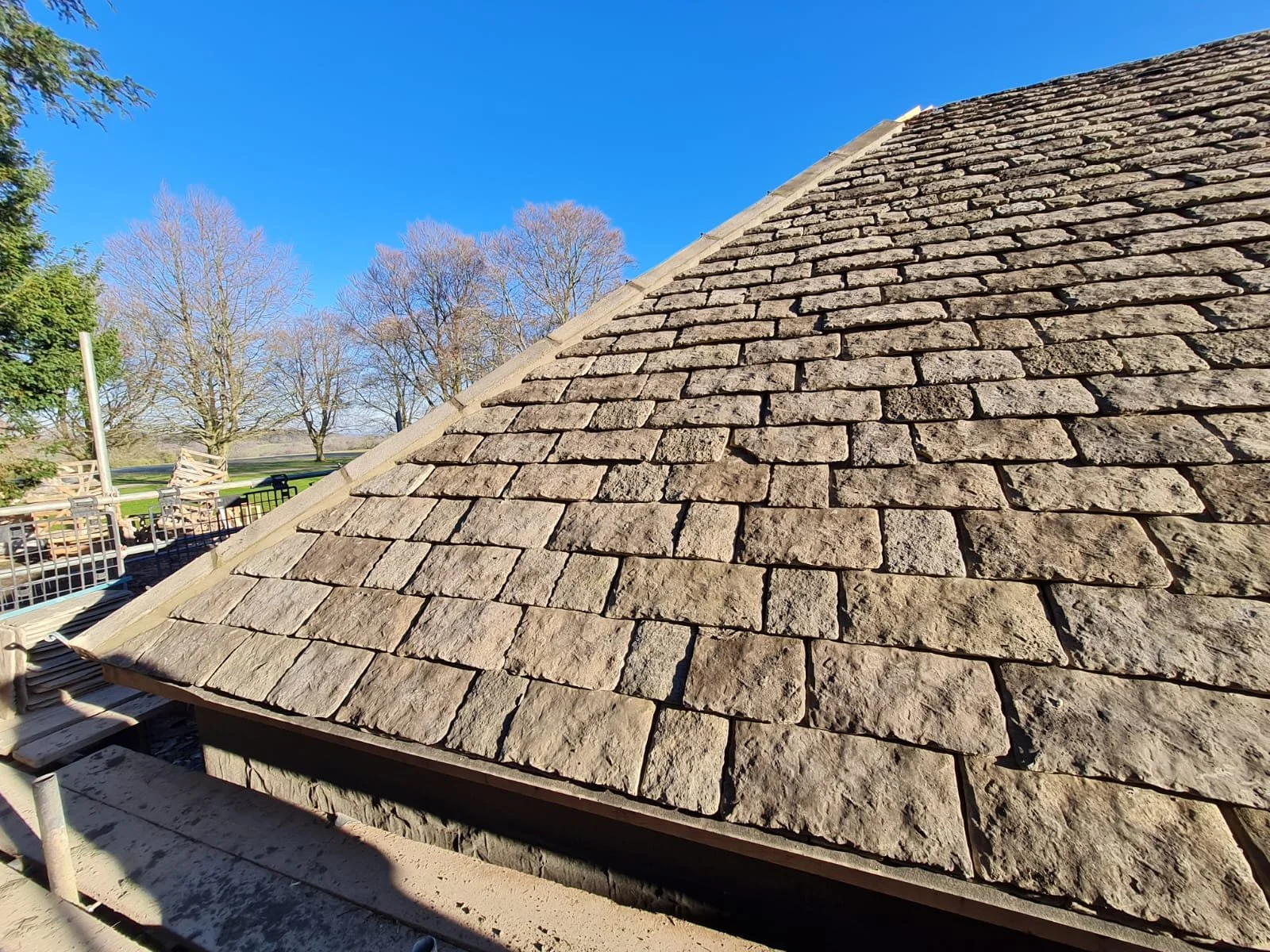
Precision Roofing, Perfect Results
Not just a strapline, it's how Crown Roofing & Leadwork approach every project.
See some examples of our recently completed projects across the South East.
Frequently Asked Questions
-
In most cases, like-for-like roof replacement does not require planning permission under permitted development rights. However, if your property is listed, in a conservation area, or if you plan to change the roofline or materials significantly, you may need consent. Crown Roofing & Leadwork can advise on this during your survey.
-
This depends on the extent and nature of the damage. Isolated issues, a handful of slipped tiles, failed flashing, or damaged ridge caps, are usually repairable. Widespread tile failure, perished underlay, or a roof that has been repeatedly patched over many years may be better served by a full replacement. A professional survey will give you a clear, honest picture.
-
Yes, in almost all cases. Roofing work is carried out externally and Crown Roofing & Leadwork will ensure your home remains weatherproof and secure throughout. Your minimum 10-year workmanship guarantee applies from day one. A standard replacement is typically completed within a week, though this varies with the size and complexity of the job.
-
Breathable underlay sits beneath the tiles or slates and allows moisture vapour to escape from the roof space while preventing liquid water from penetrating. Modern building regulations require it on new and replacement roofs. If your existing roof has old-style impermeable felt, upgrading to a breathable membrane at the time of re-roofing is strongly recommended to improve ventilation and reduce condensation risk.
-
Moss thrives in damp, shaded conditions, common across the South East. While a light covering is not immediately harmful, heavy growth retains moisture against the tile surface and can accelerate deterioration. Crown Roofing & Leadwork can treat and remove moss safely using appropriate biocidal treatments. Pressure washing is generally not recommended as it can damage tiles and dislodge pointing.
-
We recommend a professional inspection every three to five years, or following any significant weather event. A quick visual check from ground level after winter, looking for displaced ridge tiles, visible gaps in the covering, or overflowing gutters is also a sensible annual habit.
Get a Free Roof Survey from Crown Roofing & Leadwork
Whether you need a repair, a replacement, or simply a professional second opinion on the condition of your roof, Crown Roofing & Leadwork are here to help. We serve homeowners across Berkshire, Buckinghamshire, East Sussex, Greater London, Hampshire, Surrey and West Sussex, offering honest advice, quality workmanship, and specialist leadwork expertise, all backed by a minimum 10-year workmanship guarantee.
Contact us today to arrange your free, no-obligation roof survey. We'll visit your property, carry out a thorough inspection, and provide a clear written quotation, so you know exactly what the work involves and what it will cost.