Flat Roofing
Expert flat roof installations, repairs and replacements, backed by 10-year workmanship guarantee
Precision Roofing, Perfect Results
Flat Roofing: A Complete Guide for UK Homeowners
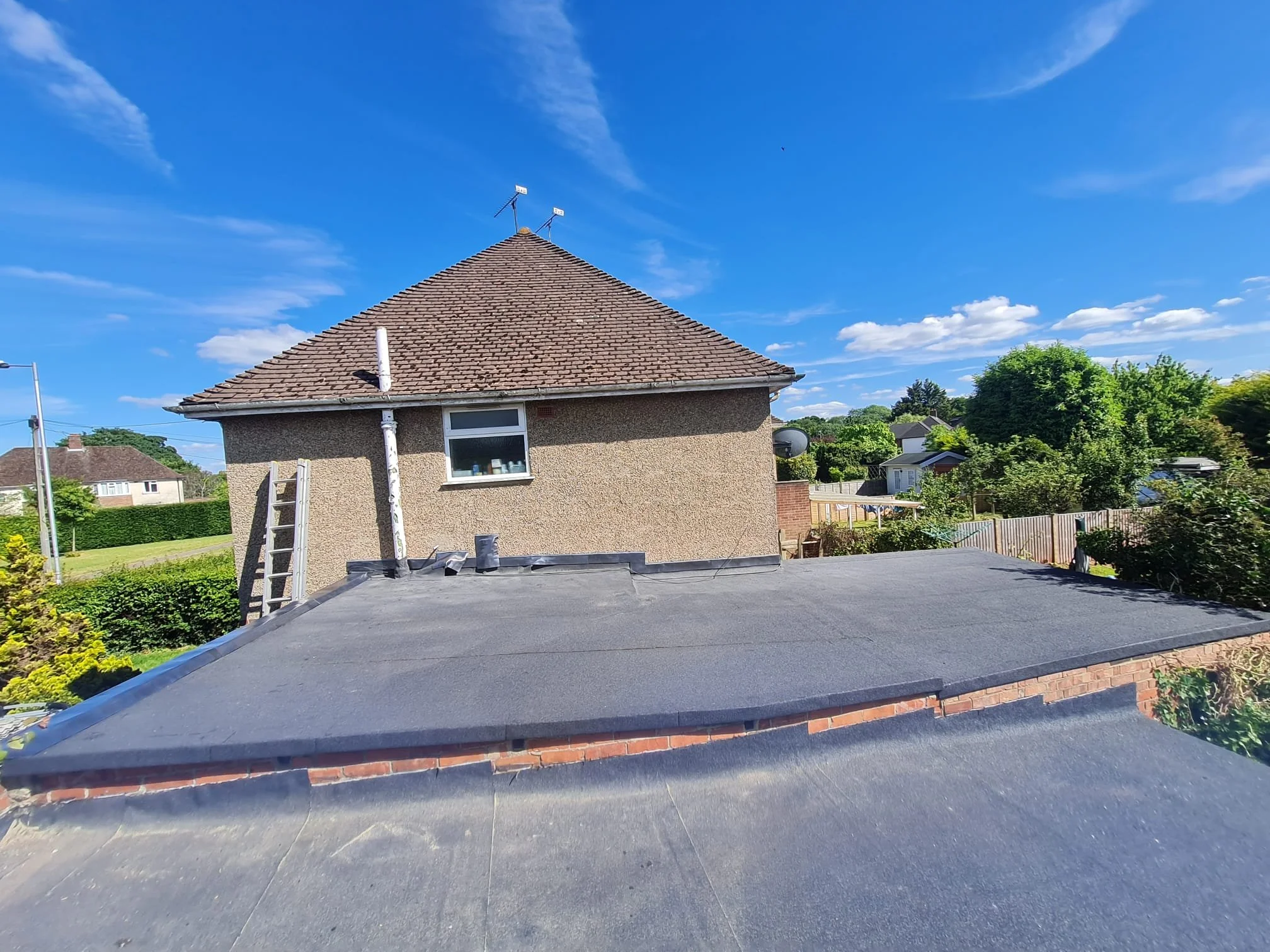
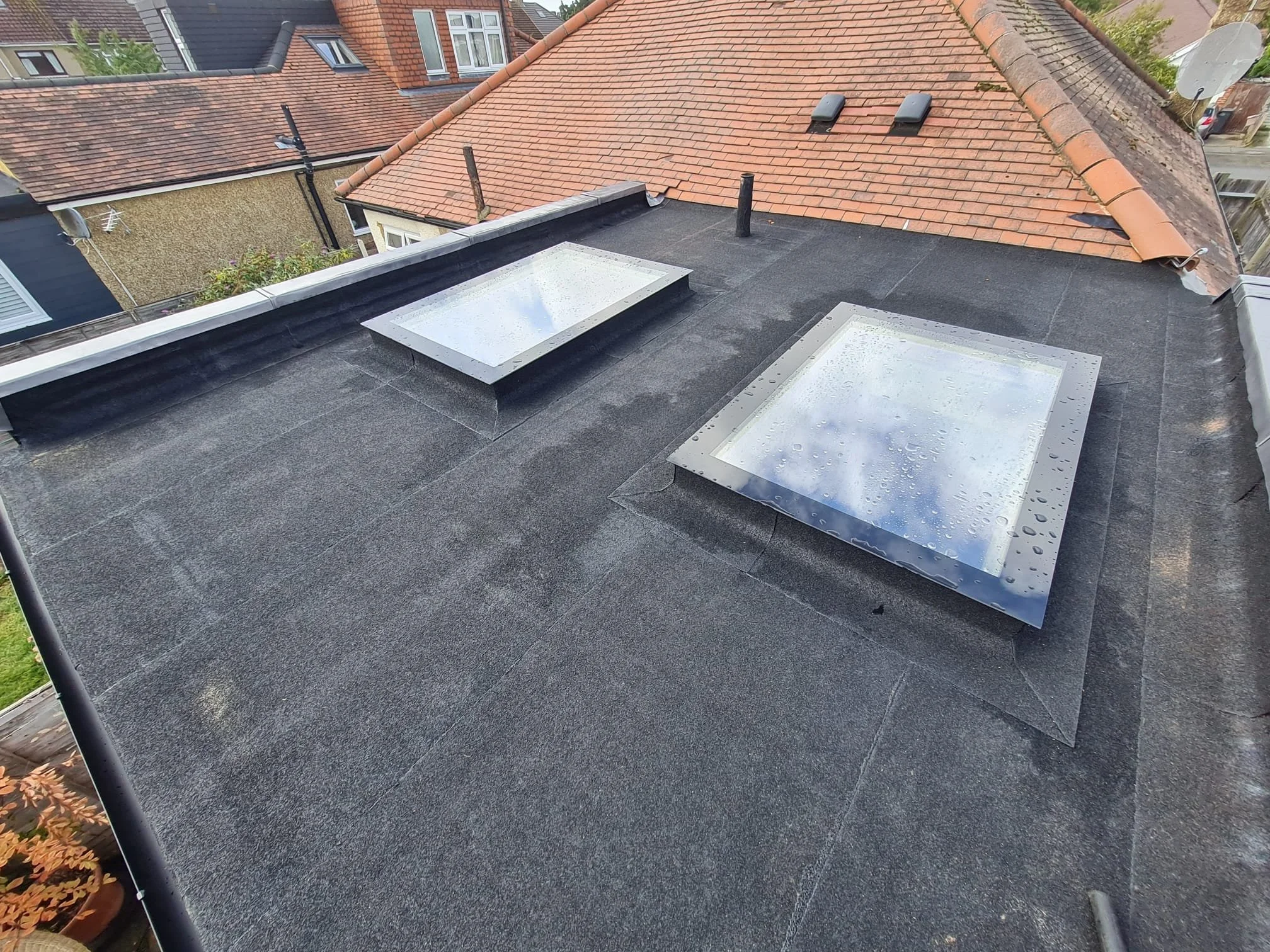
Flat roofs are far more common than many homeowners realise. From garage roofs and kitchen extensions to full dormer loft conversions and modern new builds, flat roofing is a practical, versatile solution that suits a wide range of applications. When installed correctly and with the right materials, a flat roof can perform reliably for decades.
The challenge is that flat roofs have historically had a mixed reputation, often the result of older felt systems that failed prematurely or weren't maintained. Today's flat roofing systems are a different proposition entirely, using materials engineered to handle the UK climate and installation techniques that leave little margin for error.
At Crown Roofing & Leadwork, we install, repair and replace flat roofs for homeowners across Berkshire, Buckinghamshire, East Sussex, Greater London, Hampshire, Surrey and West Sussex. Whether you're dealing with a leak, planning an extension, or simply want to know where you stand, this guide covers everything you need to make an informed decision.
What is a Flat Roof?
A flat roof is any roof with a pitch of less than 10 degrees. Despite the name, a properly installed flat roof always has a slight fall, typically around 1:40, to allow rainwater to drain away rather than pool on the surface. A perfectly level roof would be a design fault.
Flat roofs are most commonly found on extensions, garages, outbuildings, dormers, and commercial or industrial buildings, though they are also used across entire residential properties, particularly in contemporary architecture. Their lower profile means they are less prone to wind damage than pitched roofs and can be easier to access for maintenance.
Types of Flat Roof System
EPDM Rubber Roofing
EPDM (ethylene propylene diene monomer) is a synthetic rubber membrane that has become one of the most popular flat roofing materials in the UK. It is installed in large, seamless sheets, which minimises the number of joints, and therefore the number of potential weak points. EPDM is highly resistant to UV radiation, ozone, and extreme temperatures, and carries a life expectancy of 50 years or more. It is lightweight, low maintenance, and well suited to residential extensions and garages.
GRP Fibreglass Roofing
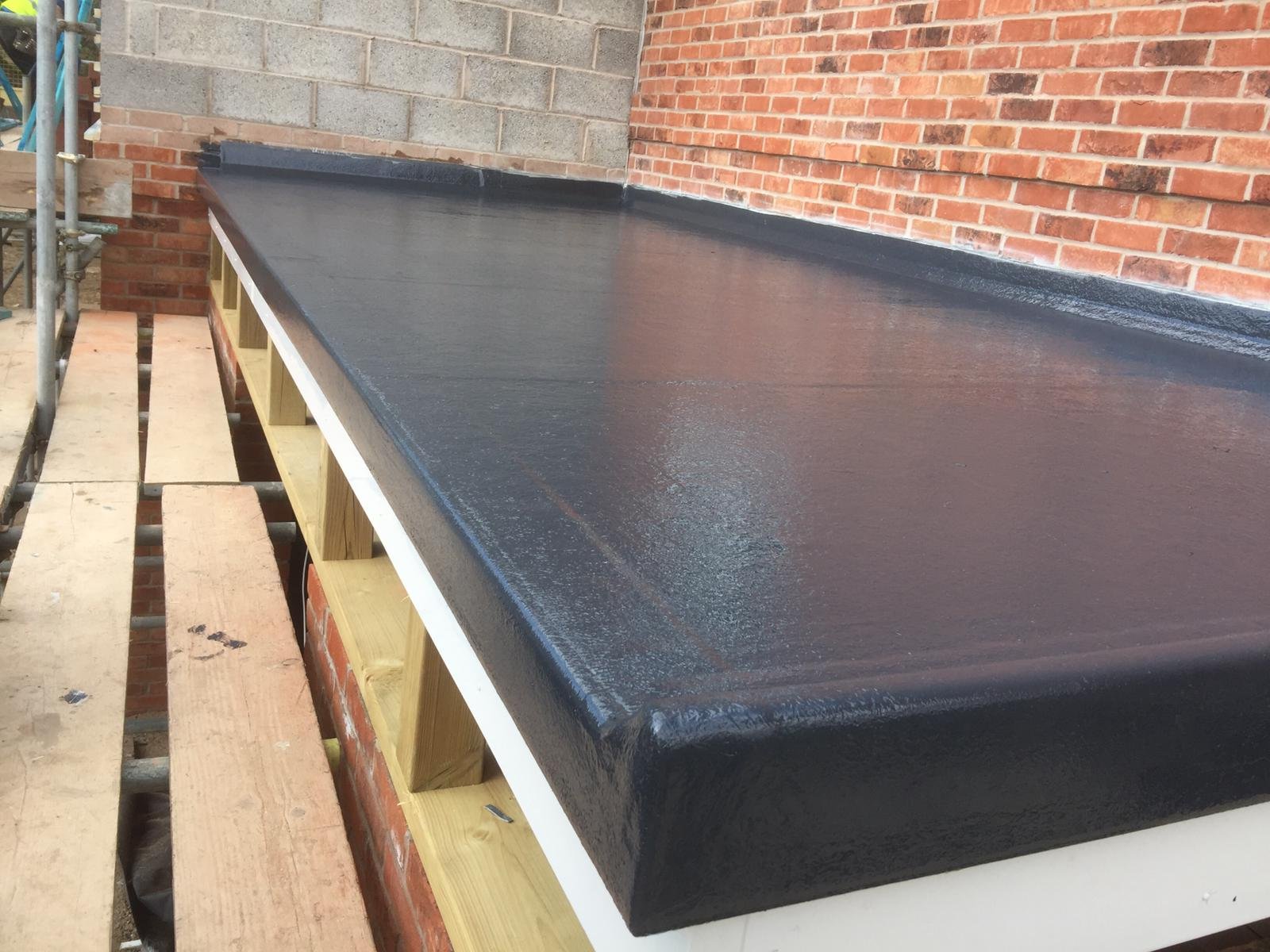
GRP (glass reinforced polyester) fibreglass roofing creates a rigid, seamless surface that is exceptionally durable and waterproof. It is particularly well suited to roofs with unusual shapes or features, as it can be formed into complex profiles. GRP roofs are strong enough to be walked on with care, making maintenance easier. Life expectancy is typically 25 to 40 years, and the finished surface can be decorated if required, useful for roof terraces and balconies.
Felt Roofing (Torch-On Felt)
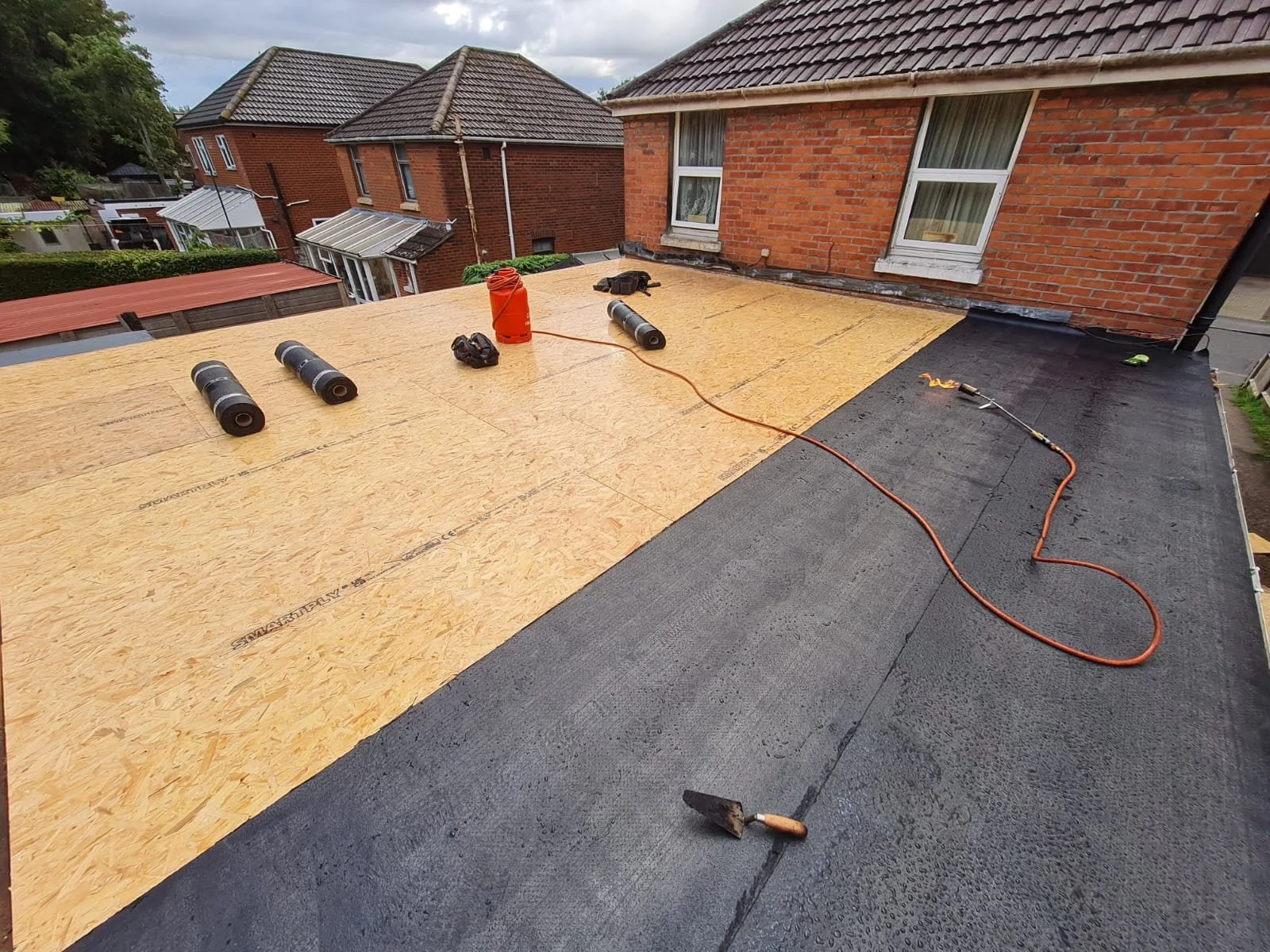
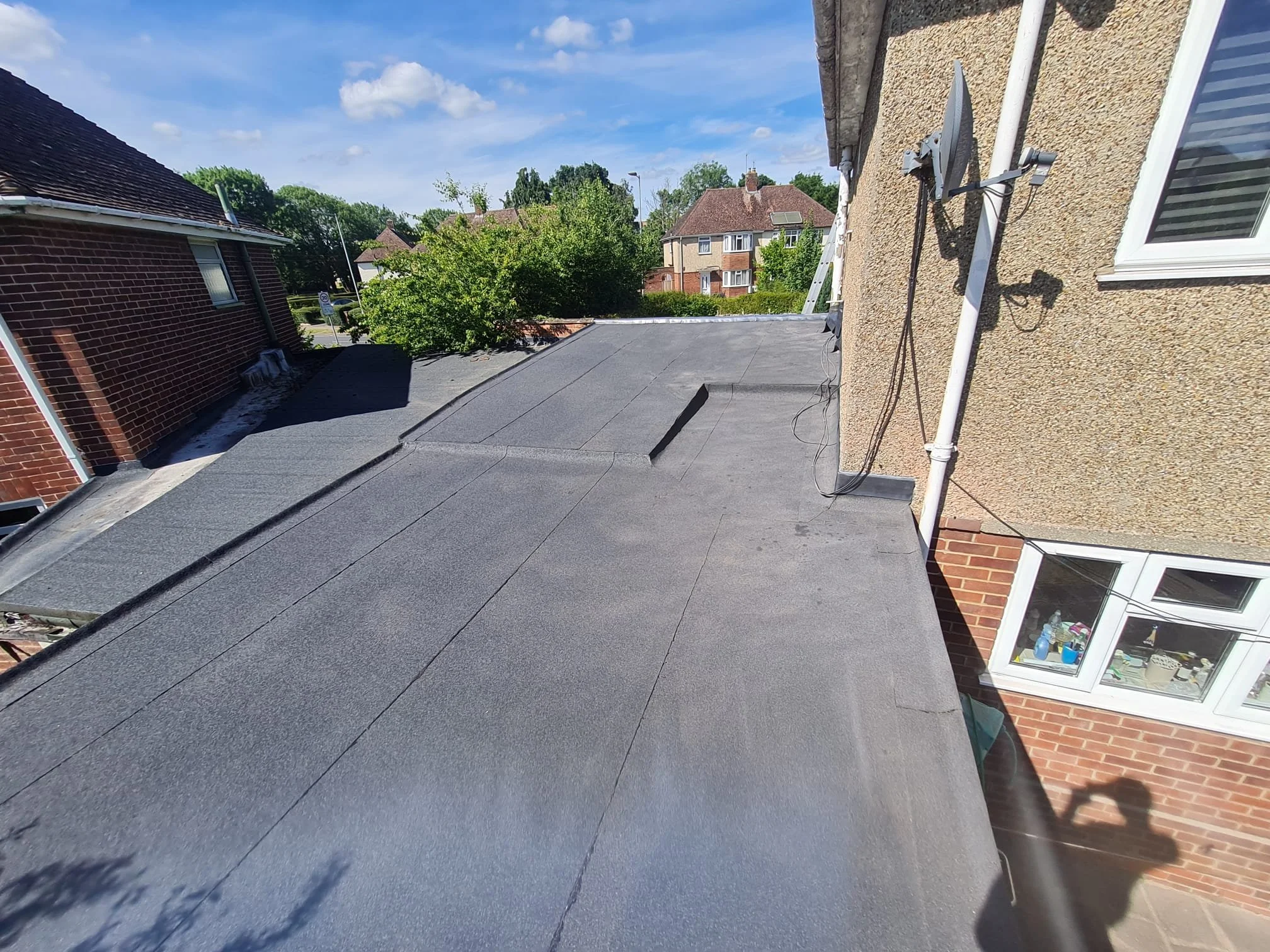
Modern torch-on felt, also known as SBS modified bitumen, bears little resemblance to the thin mineral felt used on older roofs. Applied in two or three layers using a gas torch, it creates a robust, flexible, and well-bonded waterproof membrane. It is a cost-effective solution for larger flat roof areas and is widely specified on both residential and light commercial projects. Properly installed torch-on felt systems carry a life expectancy of 20 to 30 years.
Lead Flat Roofing
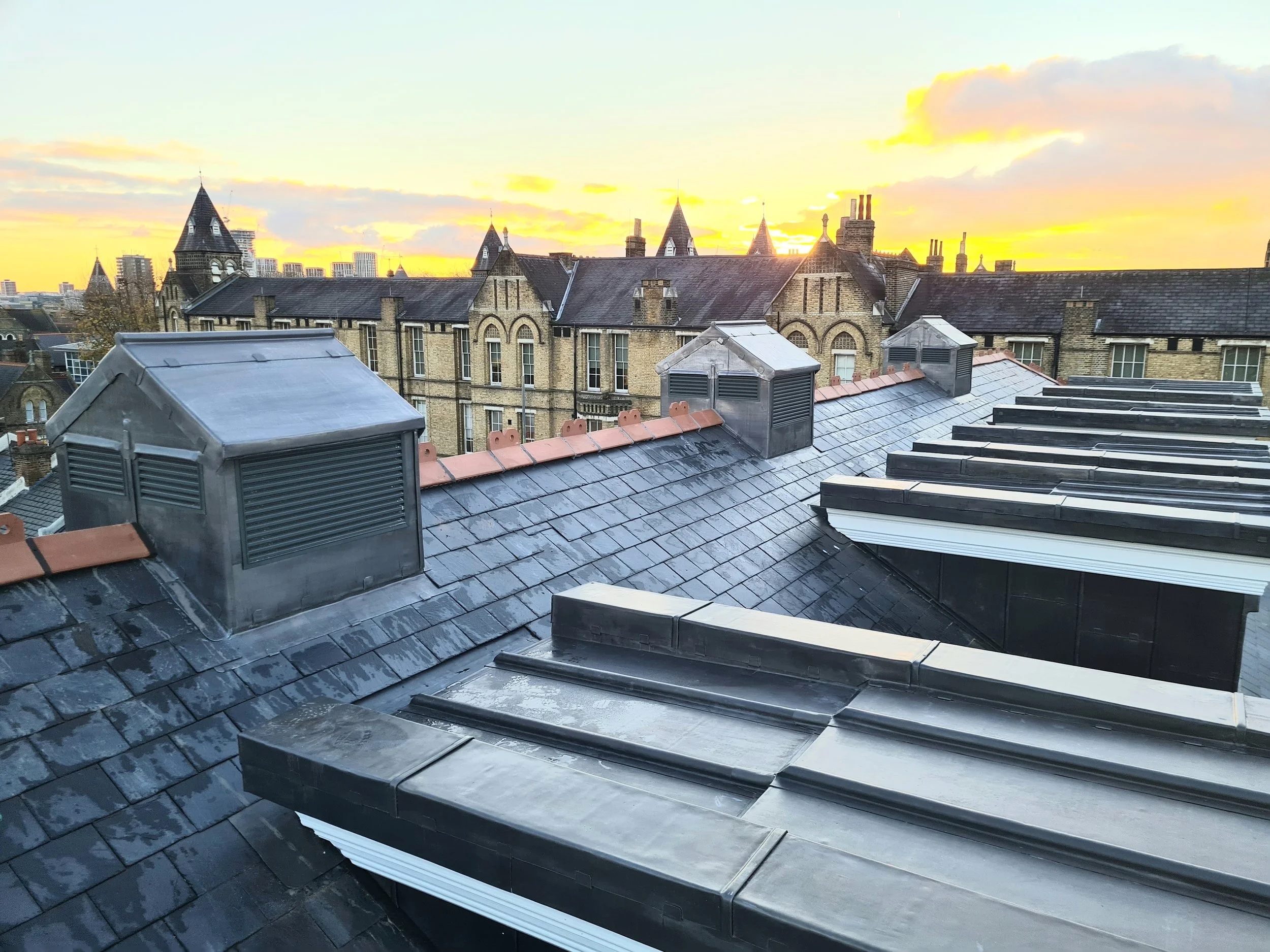
Lead has been used in British roofing for centuries and remains one of the most durable materials available. On flat and low-pitch applications, lead is particularly effective for smaller areas such as dormer tops, bay window roofs, and porch canopies. Crown Roofing & Leadwork specialises in traditional hand-crafted leadwork, maintaining the craftsmanship that ensures a long-lasting, weather-tight finish. A correctly installed lead roof can last well over 100 years.
Flat Roofing Services
Flat Roof Repairs
Not every flat roof problem requires a full replacement. Common issues, blistering, cracking, ponding water, minor membrane splits, or failed flashing around upstands and edges, can often be resolved with targeted repairs. Crown Roofing & Leadwork carries out a thorough inspection before recommending any course of action. If a repair is the right solution, we'll tell you so.
Flat Roof Replacement
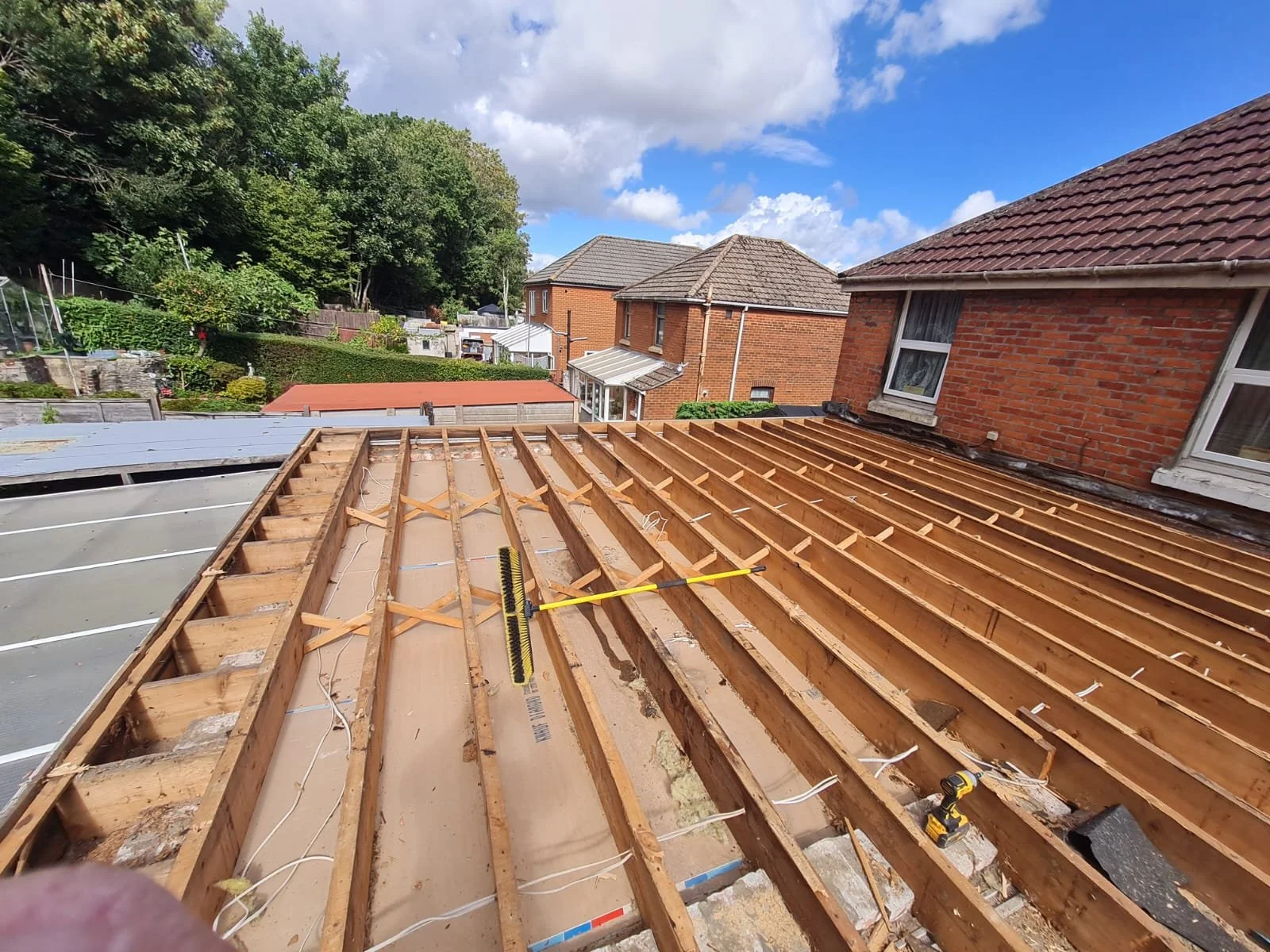
When a flat roof has reached the end of its serviceable life, replacement is usually the most cost-effective long-term decision. This involves stripping the existing roof covering back to the deck, inspecting and replacing any damaged decking boards, applying any necessary insulation upgrades, and installing a new membrane system. Every Crown Roofing & Leadwork flat roof replacement comes with a minimum 10-year workmanship guarantee.
New Flat Roof Installation
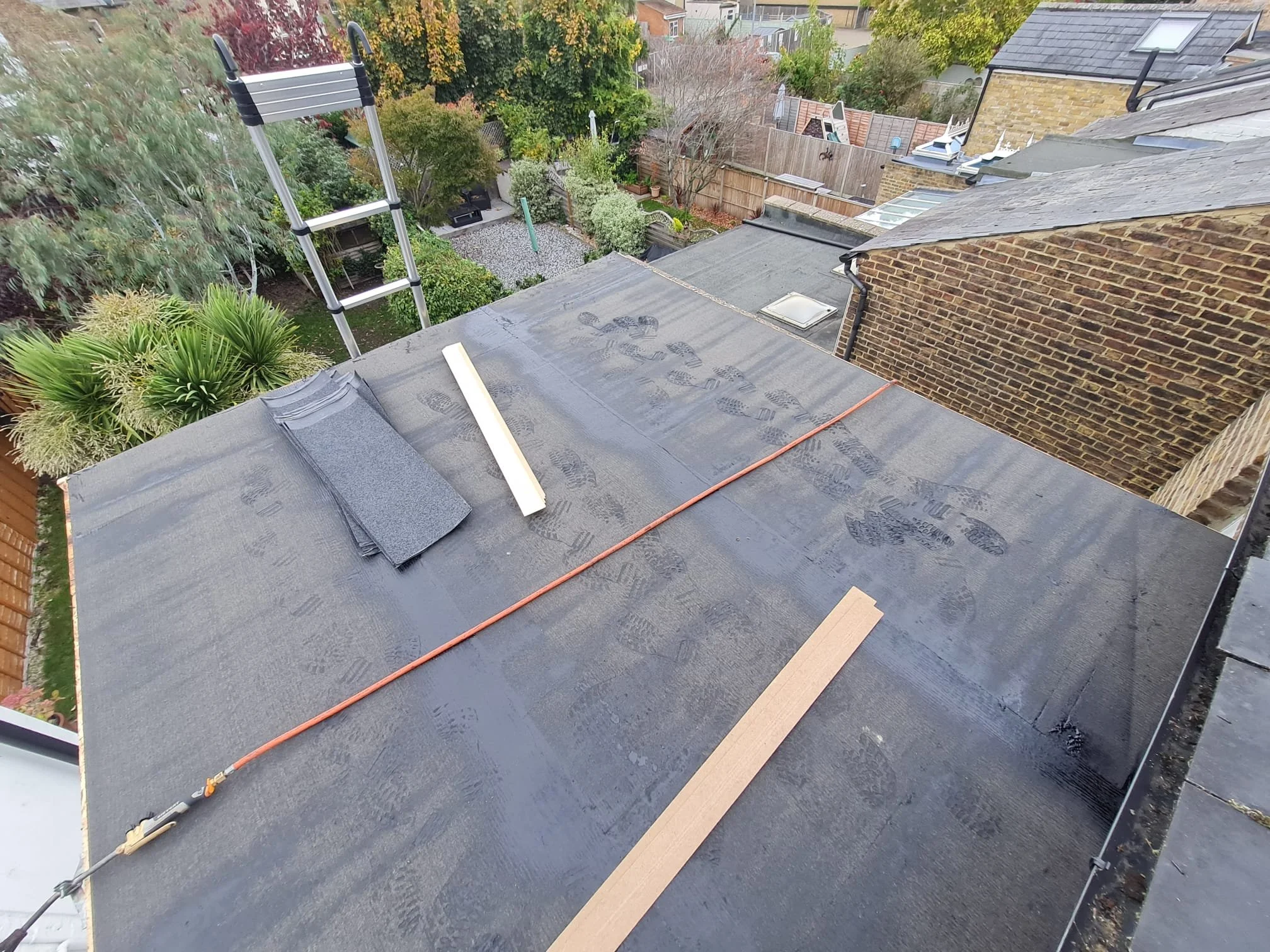
If you're building an extension, adding a dormer, or constructing an outbuilding, Crown Roofing & Leadwork can design and install a flat roofing system to suit your specific requirements. We'll advise on the most appropriate material for your project, taking into account access, intended use, the roof area, and your budget, and we'll ensure the finished roof is properly detailed at all junctions and upstands.
Flat Roof Insulation
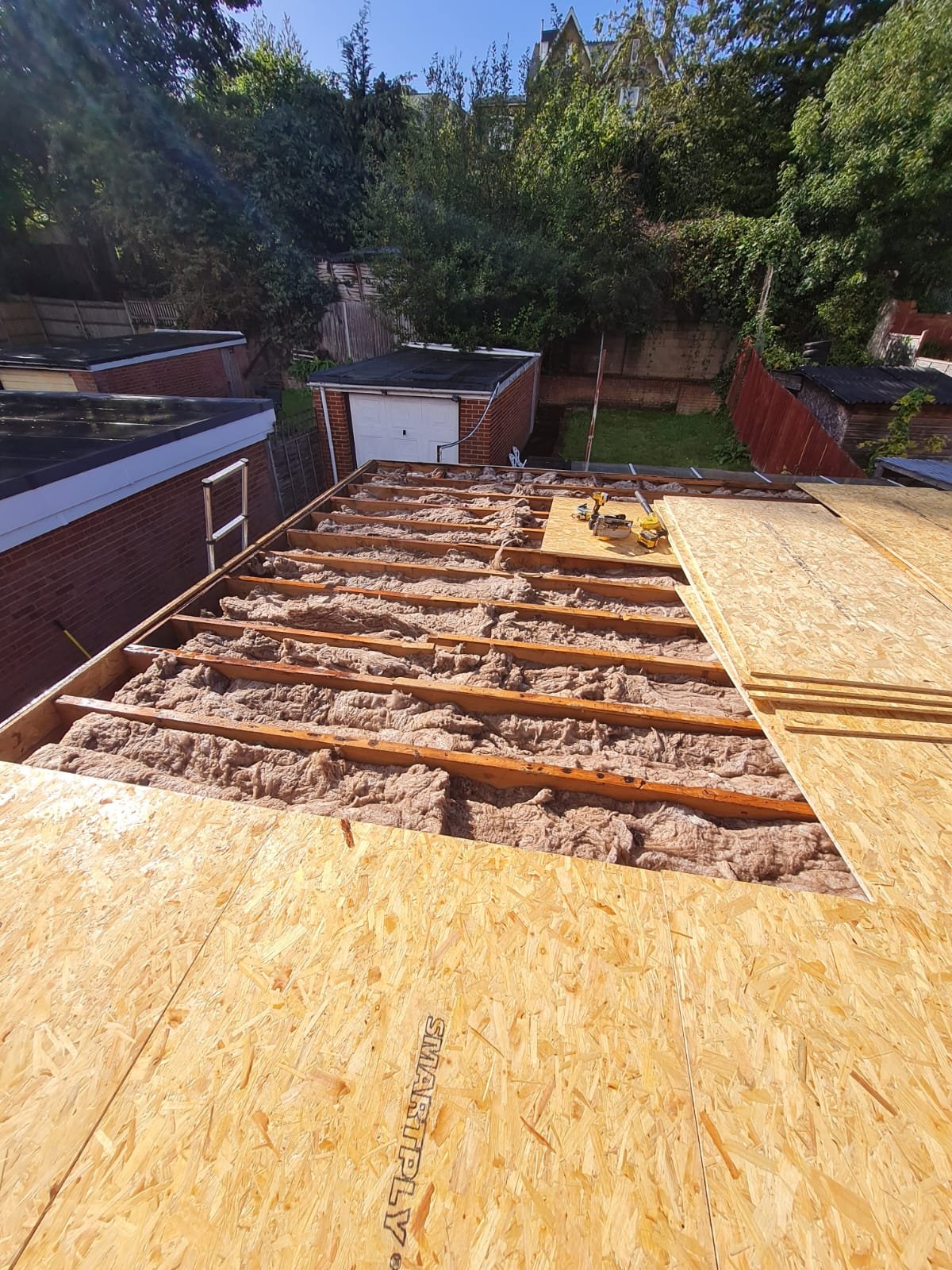
Poorly insulated flat roofs are a common source of heat loss and condensation problems. Crown Roofing & Leadwork can upgrade your flat roof insulation as part of a replacement, or, in some cases, as a standalone improvement bringing your roof up to current building regulations and reducing your energy bills. We install both warm roof and cold roof configurations depending on the structure and the system used.
Flat Roof Drainage
Effective drainage is critical on a flat roof. Blocked outlets, poorly positioned drainage points, or insufficient falls are among the most common causes of flat roof failure. We assess drainage as part of every flat roof survey and can install or reposition outlets, add siphonic drainage, or regrade the deck to ensure water clears the surface quickly and consistently.
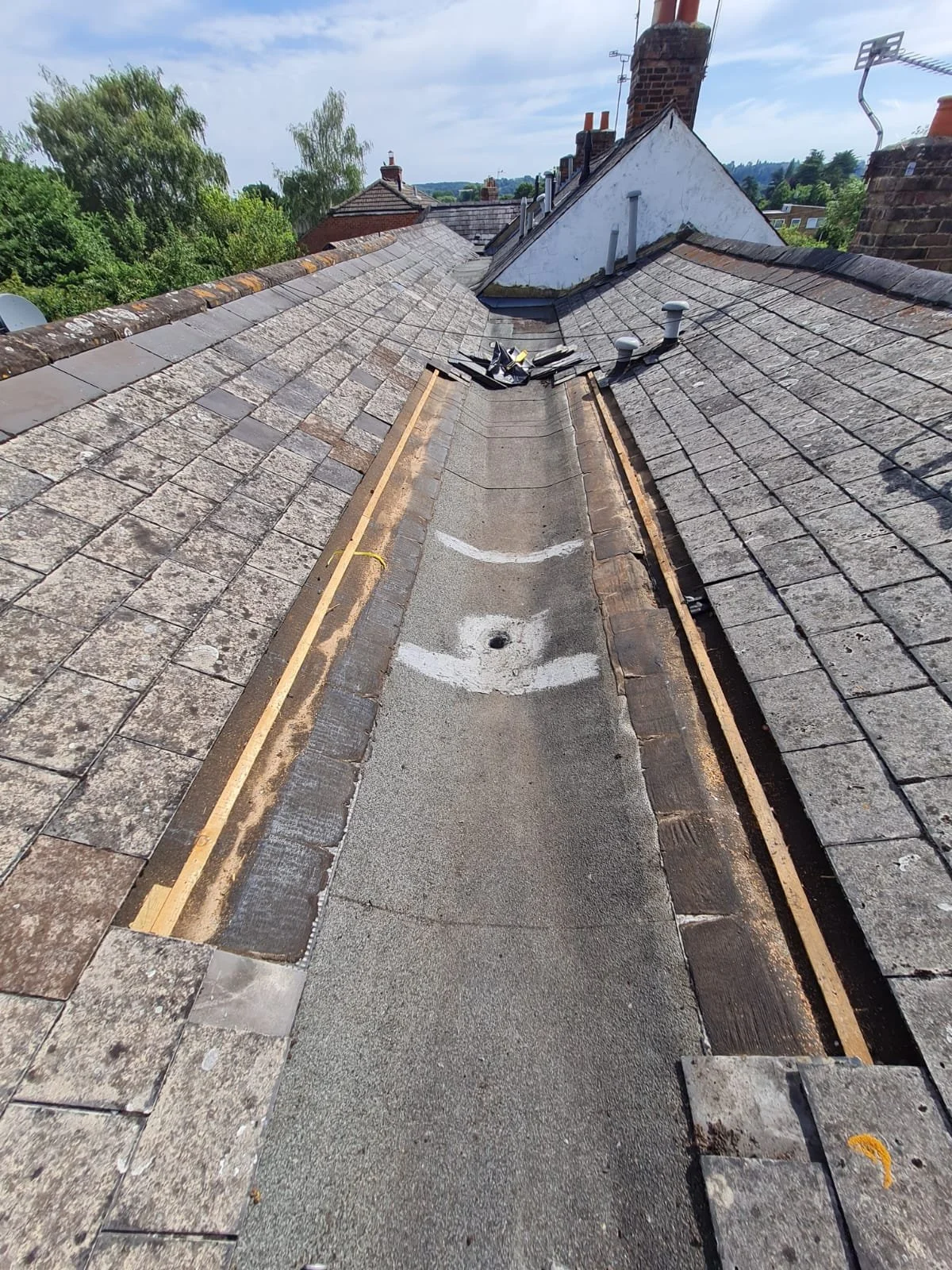
Signs Your Flat Roof Needs Attention
Flat roofs can develop problems gradually, and it's not always obvious from ground level that something is wrong. The following are the most common warning signs to look out for.
- Damp patches or water staining on ceilings beneath the roof
- Visible cracking, blistering, or splitting in the roof membrane
- Ponding water that does not clear within 24 to 48 hours of rainfall
- Felt or membrane lifting at the edges or around upstands and flashings
- Sagging areas in the roof deck, which may indicate rotted or damaged boards beneath
- Mould or moss growth on the roof surface
- Noticeably higher energy bills, which can indicate insulation failure
If you notice any of these signs, a survey from Crown Roofing & Leadwork will establish the extent of the problem and what is needed to put it right. Early intervention almost always costs less than leaving an issue to worsen.
How Long Does a Flat Roof Last?
EPDM Rubber
40–50+ years
Low maintenance synthetic membrane
GRP Fibreglass
25–40 years
Rigid, seamless and walkable
Torch-On Felt
20–30 years
Cost-effective multi-layer membrane
Lead
60–100+ years
Traditional hand-crafted leadwork
Lifespan depends largely on the material used and the quality of installation. As a general guide:
An older flat roof covered in traditional mineral felt, the thin, single-layer type common in properties built before the 1990s, will typically have a lifespan of 10 to 15 years and is unlikely to be repairable once it has failed. If your roof is approaching or has passed this age, a professional survey is strongly advisable.
Regardless of system, the longevity of a flat roof is directly linked to the quality of installation. Incorrectly detailed junctions, poorly sealed upstands, or inadequate drainage will shorten the life of even the best materials. Crown Roofing & Leadwork's work is carried out to a standard we're happy to stand behind, which is why every installation comes with a minimum 10-year workmanship guarantee.
How Much Does Flat Roofing Cost?
Flat roofing costs vary depending on the material, size, access, existing deck condition, and whether insulation is being upgraded. The following ranges give a general indication for typical residential projects in the South East.
Minor Repairs
£150 – £600
Small repairs, patching a split, re-fixing lifted felt, or resealing a flashing, typically cost between £150 and £600 depending on the extent of the work and access involved. Crown Roofing & Leadwork carries out a survey before quoting, so you'll always receive a clear, itemised price.
Flat Roof Replacement
£1,200 – £4,000
A full replacement on a typical garage or single-storey extension (15–30 m²) generally costs between £1,200 and £4,000, depending on the material and deck condition. Free, no-obligation surveys and detailed quotes provided.
New Flat Roof Installation
Price on survey
New installation costs depend on the system specified, structural requirements, and detailing involved. GRP fibreglass and EPDM rubber are the most commonly chosen systems for new residential extensions, offering an excellent balance of performance and value.
All prices are guide figures based on typical residential projects in the South East. Your quote will reflect the specific requirements of your roof, material, size, access, and condition. Crown Roofing & Leadwork provides free, no-obligation surveys and detailed written quotes for every job.
Why Choose Crown Roofing & Leadwork?
Crown Roofing & Leadwork is a specialist roofing contractor working across Berkshire, Buckinghamshire, East Sussex, Greater London, Hampshire, Surrey and West Sussex. We work exclusively with homeowners and property owners who want the job done properly, by roofers who understand their trade and take pride in the quality of what they produce.
Every flat roof we install or replace comes with a minimum 10-year workmanship guarantee, giving you real confidence that the work will perform as it should. We use proven, high-quality materials from established manufacturers, and every project is managed from survey through to completion with clear communication at every stage.
We also bring genuine expertise in leadwork, a material that sets us apart from general roofing contractors. Whether your flat roof requires traditional lead detailing at junctions, upstands, or gutters, that work is carried out by craftsmen who understand the material and how to use it correctly.
Our approach is straightforward: we tell you what we find, we explain your options, and we do what we say we're going to do. No unnecessary upselling, no vague timescales, no corners cut. If your home has a pitched roof that also needs attention, you can find out more about our pitched roofing services here.
Frequently Asked Questions
-
No, a correctly installed flat roof always has a slight slope, known as a fall, to allow rainwater to drain away. The standard minimum fall is 1:40, meaning one centimetre of drop for every 40 centimetres of horizontal distance. A genuinely level or reverse-pitched flat roof is a defect, not a design choice, and will cause water to pond, which accelerates membrane deterioration and risks structural damage.
-
This depends on the age, material, and condition of the existing roof. Isolated problems, a patch of blistering, a lifted edge, a failed flashing, can often be repaired cost-effectively. Widespread membrane failure, a roof that has been repeatedly patched, or a deck that has been compromised by water ingress is more likely to need a full replacement. Crown Roofing & Leadwork carries out a thorough survey before making any recommendation, and we'll always give you an honest assessment.
-
That depends on the material. EPDM rubber roofs can last 50 years or more; GRP fibreglass typically 25 to 40 years; torch-on felt 20 to 30 years. Lead can last well over a century. The key variable is quality of installation, even the best materials will fail prematurely if they are not installed correctly or properly detailed at junctions and perimeters.
-
Some flat roofing systems are more robust underfoot than others. GRP fibreglass is the most durable in this regard and can be walked on with reasonable care. EPDM and felt systems can be accessed for maintenance but should be treated with care to avoid punctures or damage. If you need regular roof access, for example, to reach a roof terrace or to maintain equipment, speak to Crown Roofing & Leadwork about specifying a system designed for that purpose.
-
There is no single best material, the right choice depends on your project. EPDM rubber offers outstanding longevity and low maintenance for most residential applications. GRP fibreglass is ideal where a rigid, walkable surface is needed or where the roof has complex detailing. Torch-on felt is a cost-effective choice for larger areas. Lead remains the best option for smaller feature roofs and junctions requiring the highest standard of craftsmanship. Crown Roofing & Leadwork will recommend the most appropriate system for your specific situation.
-
In most cases, like-for-like flat roof replacements fall under permitted development and do not require planning permission. However, if you are changing the roof height, adding a roof terrace, or working on a listed building or within a conservation area, restrictions may apply. Crown Roofing & Leadwork will flag any potential planning considerations during the survey stage. If in doubt, your local planning authority is the definitive source of guidance.
-
Crown Roofing & Leadwork works across Berkshire, Buckinghamshire, East Sussex, Greater London, Hampshire, Surrey and West Sussex. If you're unsure whether your property falls within our working area, get in touch and we'll be happy to confirm.